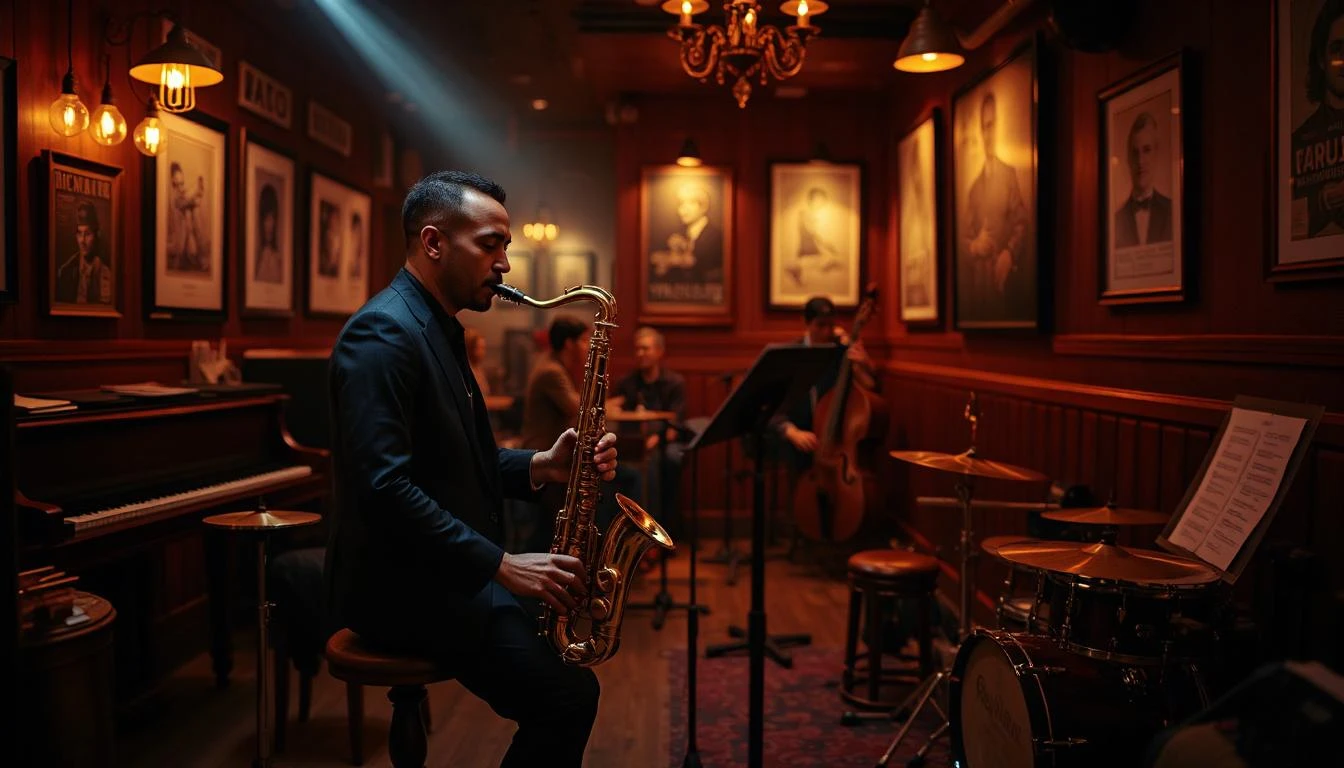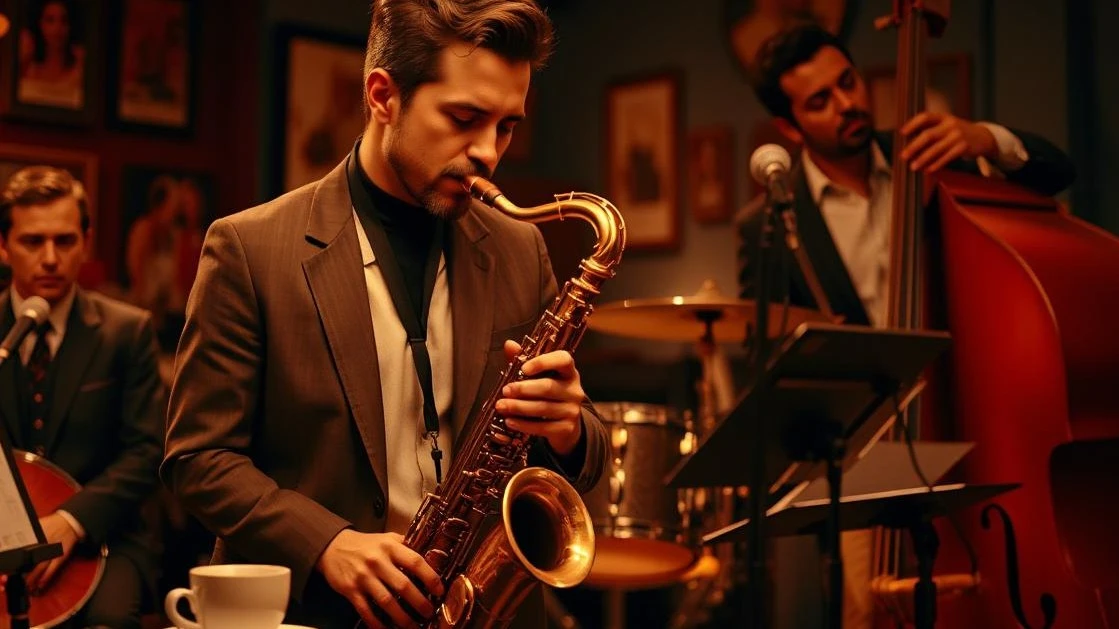
Jazz Album Reviews And Listener Reactions
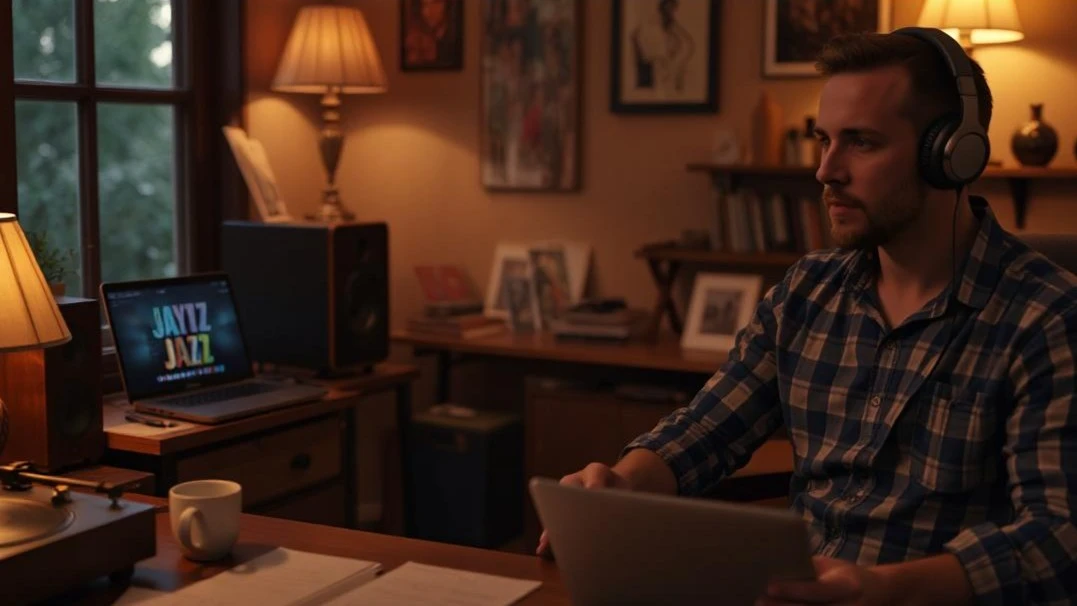
The moment you press play on a jazz record, you’re not just hearing music, you’re entering a layered conversation between history, emotion, and improvisation. Jazz has always been more than sound, it’s a living narrative that evolves with every listener, every performance, and every interpretation. That’s what makes it endlessly fascinating, yet sometimes elusive to fully grasp.
In this landscape, jazz album reviews become your compass. They guide you through complex arrangements, highlight subtle brilliance, and help you decide what deserves your attention in a sea of releases. But here’s the twist, reviews don’t stand alone. They intertwine with audience perception, shaping how jazz is consumed, discussed, and ultimately remembered.
Understanding Jazz Album Reviews
If you’ve ever wondered why some albums instantly gain recognition while others fade quietly, the answer often lies in how they are reviewed. Right after encountering a critique, you begin to see patterns, what critics value, what they question, and what they celebrate.
Right after reading a review, you start to notice how listener reactions to jazz either reinforce or challenge those perspectives, creating a dynamic dialogue between expert analysis and real-world experience. This interplay turns a simple review into a powerful influence on how music is perceived globally.
Key elements of album critique
A well-crafted review doesn’t just describe, it interprets. Critics examine rhythm structures, improvisational depth, and the cohesion between instruments. They often decode what might feel abstract to the average listener, translating complexity into clarity. This is where you begin to understand why certain albums feel complete while others seem experimental or unfinished.
Sound quality and composition analysis
Beyond melody and rhythm, sound quality quietly shapes your listening experience. The warmth of analog recordings or the crisp precision of digital mastering can dramatically alter how an album is perceived. When reviewers highlight these nuances, they’re helping you anticipate the kind of immersion you’ll experience before you even hit play.
Artist creativity and originality
Creativity is the heartbeat of jazz. Reviews often spotlight how artists break conventions, whether through unexpected tempo shifts, genre fusion, or unconventional instrumentation. When originality is present, it doesn’t just stand out, it redefines expectations.
Listener Reactions and Community Feedback
After understanding how reviews work, the next layer unfolds through audience voices. This is where music becomes personal, unpredictable, and deeply human. Right after diving into community discussions, you’ll see how listener reactions to jazz reveal emotional connections that no technical analysis can fully capture. These reactions often highlight what truly resonates, moments that linger long after the music stops.
Audience interpretation of jazz music
Every listener brings a unique perspective. Some are drawn to emotional storytelling, while others focus on technical brilliance. This diversity creates a vibrant ecosystem where one album can spark countless interpretations, each equally valid and insightful.
Social media and music discussions
Today, conversations about jazz happen in real time. Platforms like TikTok and Threads amplify voices instantly, turning short reactions into powerful trends. A single clip or comment can ignite global curiosity, reshaping how an album is discovered and appreciated.
Fan engagement and ratings
Ratings and reviews from everyday listeners now carry significant weight. Streaming platforms have turned fans into curators, allowing collective opinion to influence visibility. What people love, or don’t, becomes data that shapes the future of jazz consumption.
Trends in Modern Jazz Albums
As you explore deeper, you’ll notice that jazz is constantly reinventing itself. Trends emerge not just from artists, but from how audiences respond to innovation. Right after observing current releases, it becomes clear that modern jazz is no longer confined to tradition. It evolves through experimentation, digital influence, and cultural shifts that redefine its boundaries.
Fusion genres and experimentation
Jazz today thrives on collaboration. Elements of hip-hop, electronic music, and even ambient soundscapes blend seamlessly into modern compositions. This fusion attracts new audiences while challenging purists to rethink what jazz can be.
Digital release and streaming impact
Streaming has changed everything. Artists can now release music instantly, reaching global audiences without traditional barriers. This accessibility accelerates trends, making it easier for innovative sounds to gain traction quickly.
Popular albums shaping the scene
Certain albums act as milestones, setting new standards for creativity and influence. These releases don’t just reflect trends, they create them, inspiring both listeners and emerging artists to explore new directions.
Explore Honest Jazz Album Reviews and Listener Reactions Today
When you connect reviews with audience feedback, something powerful happens, you begin to see jazz as a living dialogue rather than a static genre. According to Nate Chinen, a respected jazz critic, “Jazz is not just played, it’s perceived differently by every listener,” emphasizing how interpretation shapes meaning. Similarly, music scholar Ted Gioia notes that “the future of jazz depends as much on its audience as its artists,” highlighting the undeniable role listeners play in its evolution.
This connection invites you to engage more actively. Not just to listen, but to reflect, to question, and to form your own perspective. Because in the end, jazz isn’t just something you hear, it’s something you experience, interpret, and carry with you.