Jazz History And Evolution In Modern Era
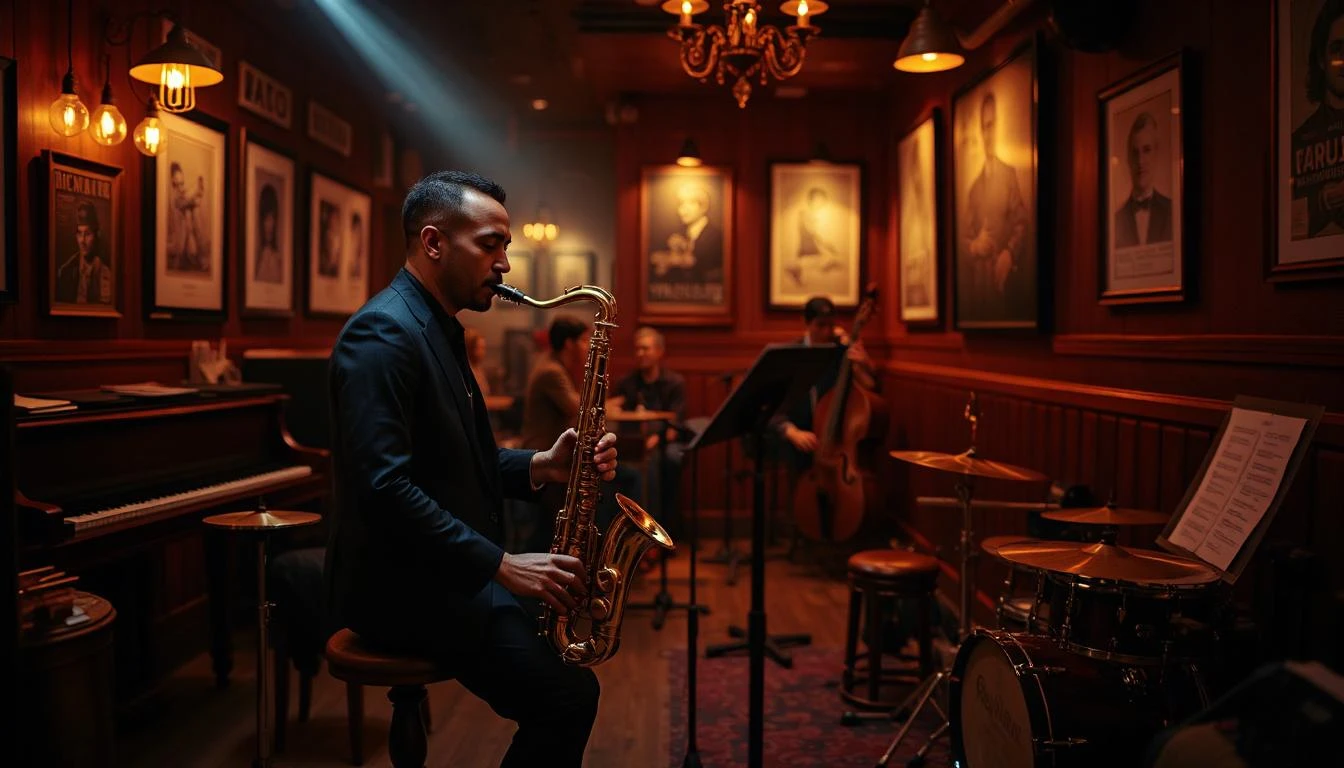
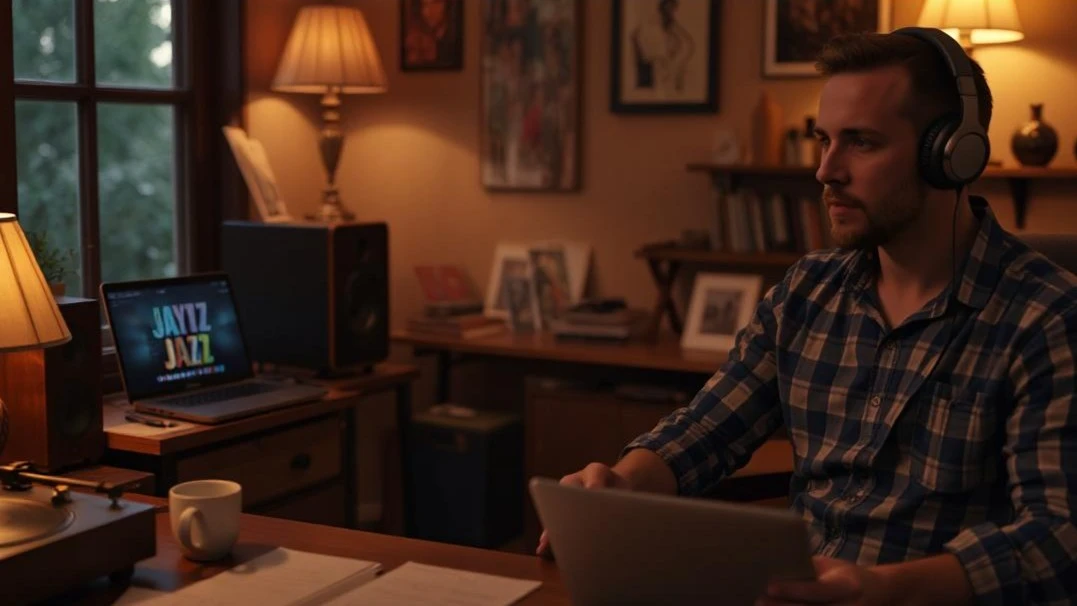
Jazz has never been just background music, it’s a subtle force shaping how we feel, think, and even interpret modern entertainment. If you pause for a moment and really listen, you’ll notice something intriguing, traces of jazz exist in places you wouldn’t expect, from cinematic scores to viral social media sounds. It quietly adapts, blending tradition with innovation, creating a soundscape that feels both timeless and strikingly current.
Beneath that surface lies the deeper narrative of jazz history evolution, a journey that reveals how a once-localized genre transformed into a global cultural phenomenon. This evolution is not accidental, it’s driven by continuous reinvention, artistic courage, and the ability to stay relevant in a fast-changing digital world.
Origins and Foundations of Jazz
Before we explore where jazz is going, it helps to understand where it truly began. The foundation of jazz is not just historical, it’s emotional, cultural, and deeply human, shaping everything that follows.
In the context of modern era music development, these early roots continue to influence how jazz adapts today. The past isn’t left behind, it becomes the blueprint for innovation, guiding how musicians reinterpret tradition for contemporary audiences.
Early development of jazz music
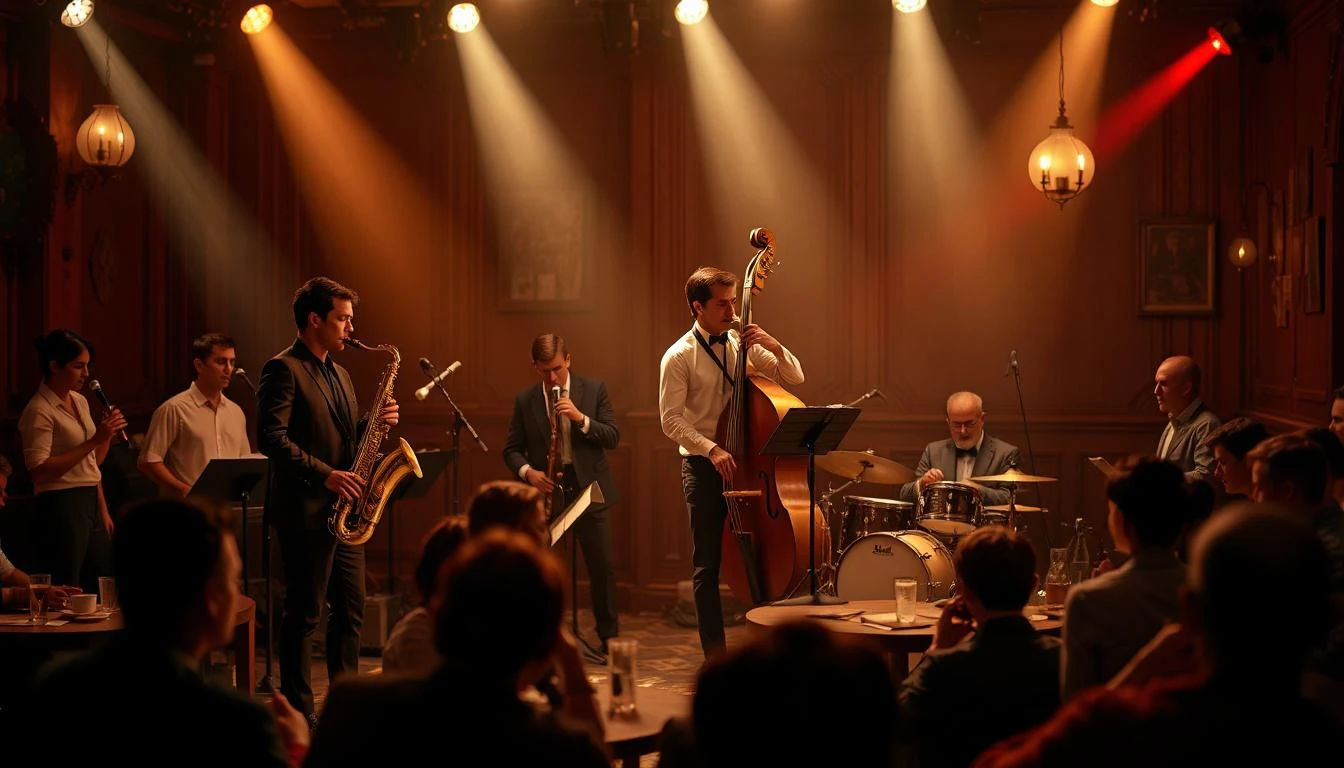
Jazz originated in New Orleans during the late 19th century, emerging from a rich blend of African rhythms, blues, and ragtime. Musicians didn’t just play notes, they improvised, experimented, and expressed raw emotion. This early development created a foundation where individuality mattered as much as technical skill. It was music that breathed. Flexible, unpredictable, and alive in every performance.
Cultural influences and roots
Jazz is inseparable from the cultural environments that shaped it. African musical traditions contributed rhythm and improvisation, while European harmony added structure. This fusion created a unique identity that reflected both struggle and creativity. As musician Wynton Marsalis once said, “Jazz is about freedom within discipline,” highlighting how structure and spontaneity coexist within the genre.
Key milestones in jazz history
From the Swing Era to Bebop and beyond, jazz has consistently reinvented itself. Each milestone introduced new techniques, new audiences, and new ways of thinking about music. These transformations didn’t just expand jazz, they redefined it, setting the stage for its modern evolution.
Evolution of Jazz in Modern Times
Jazz didn’t stay frozen in history, it moved forward, adapting to technological shifts and changing listener preferences. This evolution reflects how music survives by transforming without losing its identity.
In today’s landscape, modern era music development plays a crucial role in shaping jazz’s direction. The genre evolves alongside digital tools, streaming platforms, and global influences, creating a dynamic and ever-expanding sound.
Transition into contemporary styles
Modern jazz blends seamlessly with genres like hip-hop, R&B, and electronic music. This fusion attracts younger audiences while preserving the improvisational essence of jazz. The result feels familiar yet refreshingly new, music that bridges generations without losing its soul.
Influence of technology on jazz
Technology has changed everything. From digital production tools to AI-assisted composition, jazz musicians now have unprecedented creative freedom. They can experiment, produce, and distribute music independently. Streaming platforms have also reshaped discovery, allowing niche jazz styles to reach global audiences instantly.
Globalization of jazz music
Jazz is no longer confined to its American origins. Artists worldwide reinterpret jazz through their own cultural lenses, creating diverse and unexpected variations. Herbie Hancock once noted, “Jazz is about the process of discovery,” and that discovery now spans continents, cultures, and digital spaces.
Modern Jazz Trends and Innovation
Innovation is where jazz truly thrives today. It’s not about preserving the past, it’s about expanding possibilities and redefining what jazz can be. This is where modern era music development becomes most visible, as new trends reshape how jazz is created, shared, and experienced across global audiences.
Jazz fusion and cross genre styles
Jazz fusion merges jazz with rock, funk, and electronic elements, producing complex and energetic compositions. It challenges traditional boundaries and invites listeners to experience something different. This style reflects a broader trend in music, genres blending rather than competing.
Experimental and avant garde movements
Avant-garde jazz pushes creativity even further, breaking away from conventional structures. It embraces unpredictability, encouraging listeners to engage with music in new ways. It may not always be easy to understand, but it offers a deeper, more exploratory experience.
Role of digital platforms in jazz growth
Digital platforms have become powerful tools for jazz musicians. Viral performances, online collaborations, and algorithm-driven recommendations introduce jazz to new audiences daily. This accessibility ensures that jazz continues to grow, reaching listeners who might never have discovered it otherwise.
Understand the Evolution of Jazz in the Modern Era Today
When you step back and observe the full journey of jazz history evolution, it becomes clear that jazz is more than a genre, it’s a reflection of change itself. It adapts, absorbs, and reinvents, mirroring the world around it while staying rooted in its core identity. So the real question is simple, are you just listening to music, or are you starting to hear the layers behind it?