Jazz Live Sessions And Performance Culture
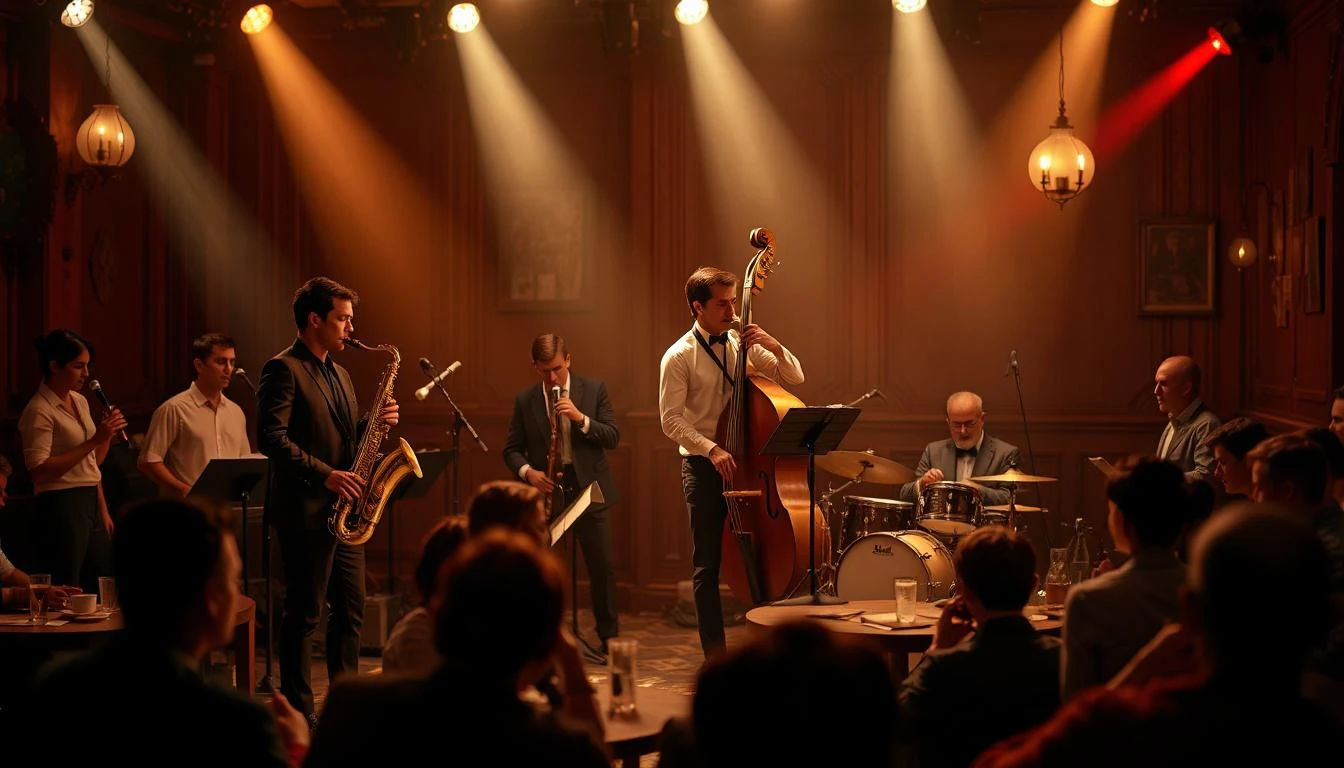
There’s something irresistibly magnetic about stepping into a space where music isn’t just played, it’s born in real time. Jazz has always lived in that fleeting moment between anticipation and surprise, where every note feels like a secret being revealed. You don’t just listen; you witness creation unfolding, raw and unfiltered, right in front of you.
In today’s fast-moving entertainment landscape, jazz live sessions stand as a powerful reminder that authenticity still matters. These performances are not scripted or overly polished, they breathe, shift, and evolve with every second. That’s exactly why audiences keep coming back, searching for something real in a world saturated with repetition.
Importance of Live Jazz Performances
Live jazz is more than a performance, it’s a living dialogue. Before diving deeper, it’s worth asking, why do these sessions feel so different compared to any other musical experience? The answer lies in the way jazz refuses to be static, constantly reshaping itself through interaction and spontaneity.
Another layer that elevates this experience is the deeply rooted performance culture in jazz, where tradition and experimentation coexist seamlessly. It’s not just about playing music; it’s about expressing identity, storytelling, and emotional truth in front of a live audience.
Improvisation and real time creativity
Improvisation is the heartbeat of jazz. Musicians don’t just follow a script, they create in the moment, responding to each other with instinct and precision. This real-time creativity transforms every session into something entirely unique, where no two performances are ever the same. As Wynton Marsalis once said, “Jazz is the art of thinking out loud,” highlighting how improvisation becomes a form of spontaneous storytelling that unfolds right before your eyes.
Interaction between artists and audience
What makes live jazz even more compelling is the invisible thread connecting performers and listeners. Musicians read the room, adjusting their energy based on audience reactions, while the audience becomes emotionally invested in the unfolding narrative. This interaction creates a feedback loop where the music feels alive, constantly adapting and responding in ways that recorded tracks simply cannot replicate.
Unique atmosphere of live sessions
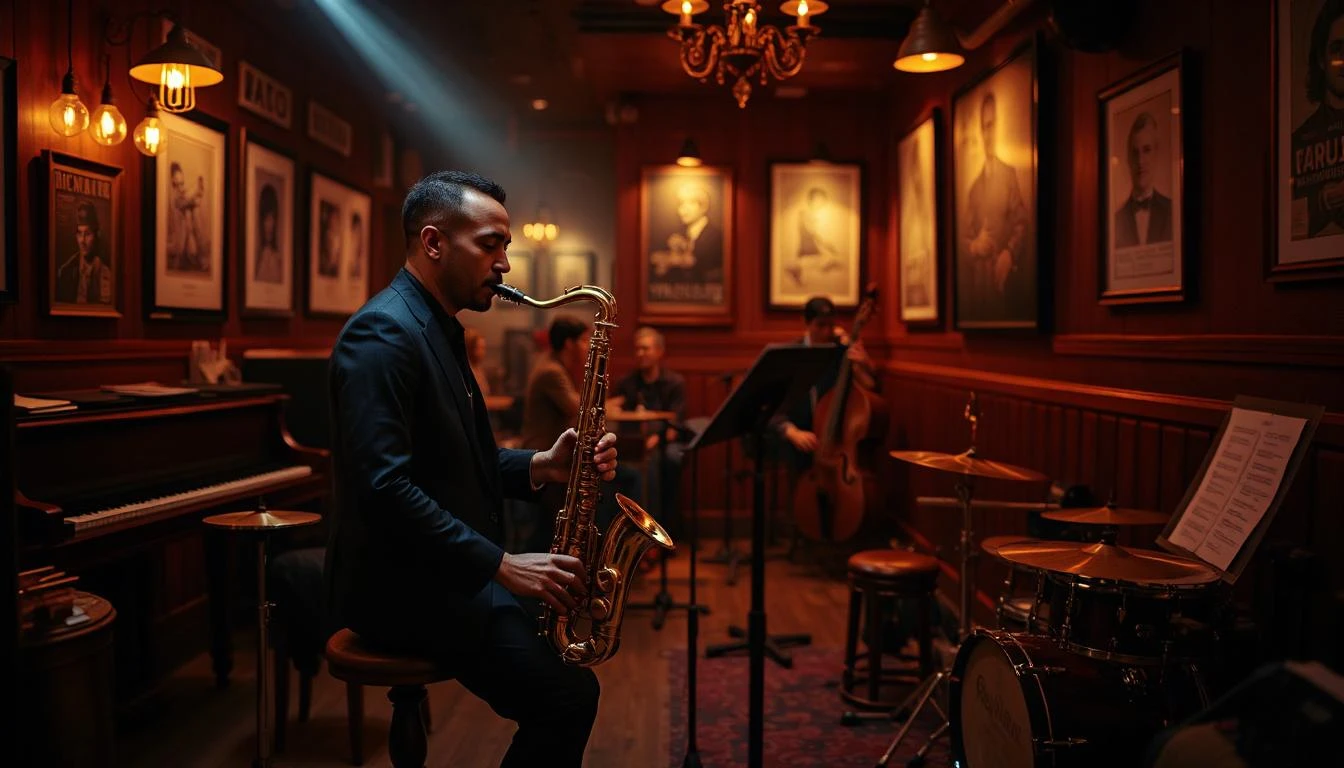
The atmosphere of a live jazz session is unmistakable. Whether it’s a dimly lit club or an open-air stage, the environment amplifies the emotional depth of the music. Every detail, the acoustics, the lighting, the proximity, contributes to an experience that feels intimate and immersive.
Modern Jazz Performance Culture
Jazz has never been frozen in time. Instead, it evolves alongside cultural shifts, embracing new platforms and audiences while maintaining its core essence. Today’s jazz scene reflects a fascinating blend of tradition and modernity. The contemporary performance culture in jazz is shaped by global influences, digital innovation, and changing audience expectations, making it more accessible and diverse than ever before.
Jazz festivals and live events
Jazz festivals have become global phenomena, drawing audiences from different backgrounds and cultures. These events are not just about music, they’re immersive experiences that celebrate creativity in all its forms. From large-scale international festivals to niche gatherings, these events showcase how jazz continues to thrive on a global stage.
Small venue and lounge performances
Despite the rise of massive festivals, small venues remain the soul of jazz. In these intimate settings, musicians have the freedom to experiment, connect, and push boundaries without constraints. There’s a certain magic in these spaces, where every note feels personal and every performance feels like it was meant just for you.
Online live streaming concerts
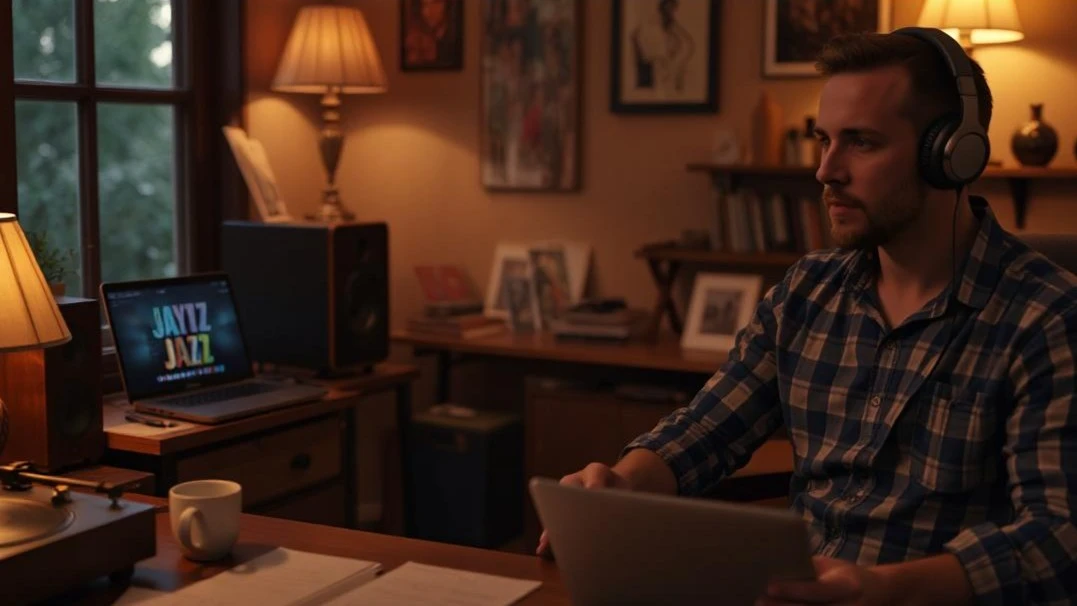
Technology has expanded the reach of jazz beyond physical spaces. Live streaming concerts now allow audiences from around the world to experience performances in real time, breaking geographical barriers. This digital transformation ensures that jazz remains relevant, adapting to modern consumption habits while preserving its essence.
Experience and Engagement in Live Sessions
What truly sets jazz apart is not just the music itself, but the experience it creates. It invites you to be present, to feel, and to engage on a deeper level. Through the lens of performance culture in jazz, these sessions become more than entertainment, they become shared emotional journeys.
Audience participation and energy
In jazz, the audience plays an active role. Applause, cheers, and even silence contribute to the overall energy of the performance. This participation transforms the experience into something collective and dynamic.
Visual and acoustic experience
Jazz is a multisensory experience. Watching musicians communicate through subtle gestures and expressions adds depth to the sound, while the live acoustics create a richer, more nuanced listening experience. Every movement, every glance, becomes part of the story being told.
Building community through music
Jazz has always been about connection. It brings people together, creating communities built on shared appreciation and mutual respect. As Herbie Hancock once noted, “Music happens to be an art form that transcends language,” emphasizing how jazz unites people beyond cultural and linguistic boundaries.
Experience the Energy of Jazz Live Sessions and Performance Culture Today
There’s a quiet revolution happening within the world of jazz, and it’s redefining how we experience music in real time. The fusion of tradition, innovation, and human connection makes today’s live sessions more compelling than ever.
If you’ve never truly immersed yourself in this world, now is the perfect moment to start. Step into a live session, feel the energy, and let the music guide you, you might discover something you didn’t even realize you were looking for.